Preserving the sacred ink
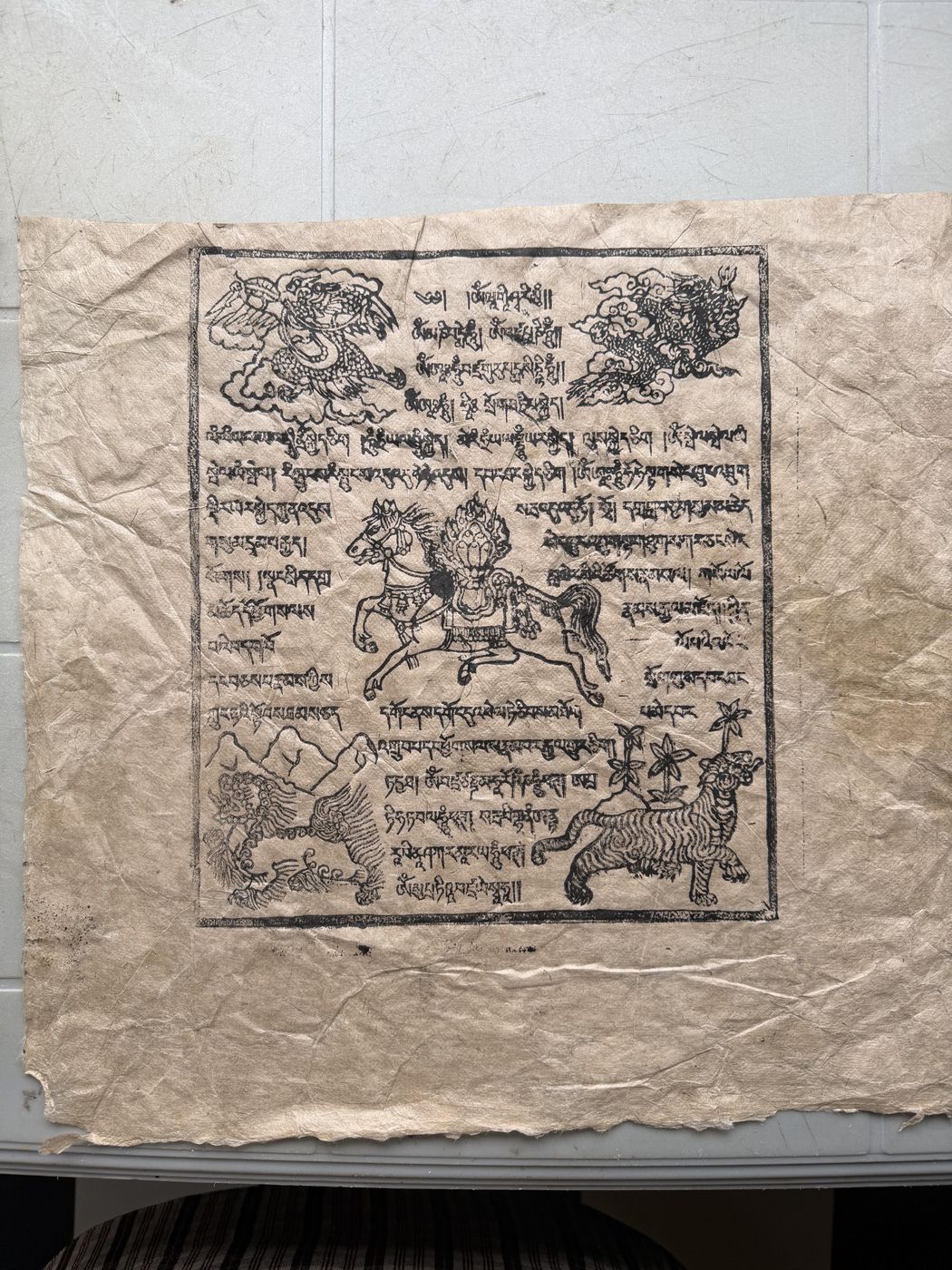
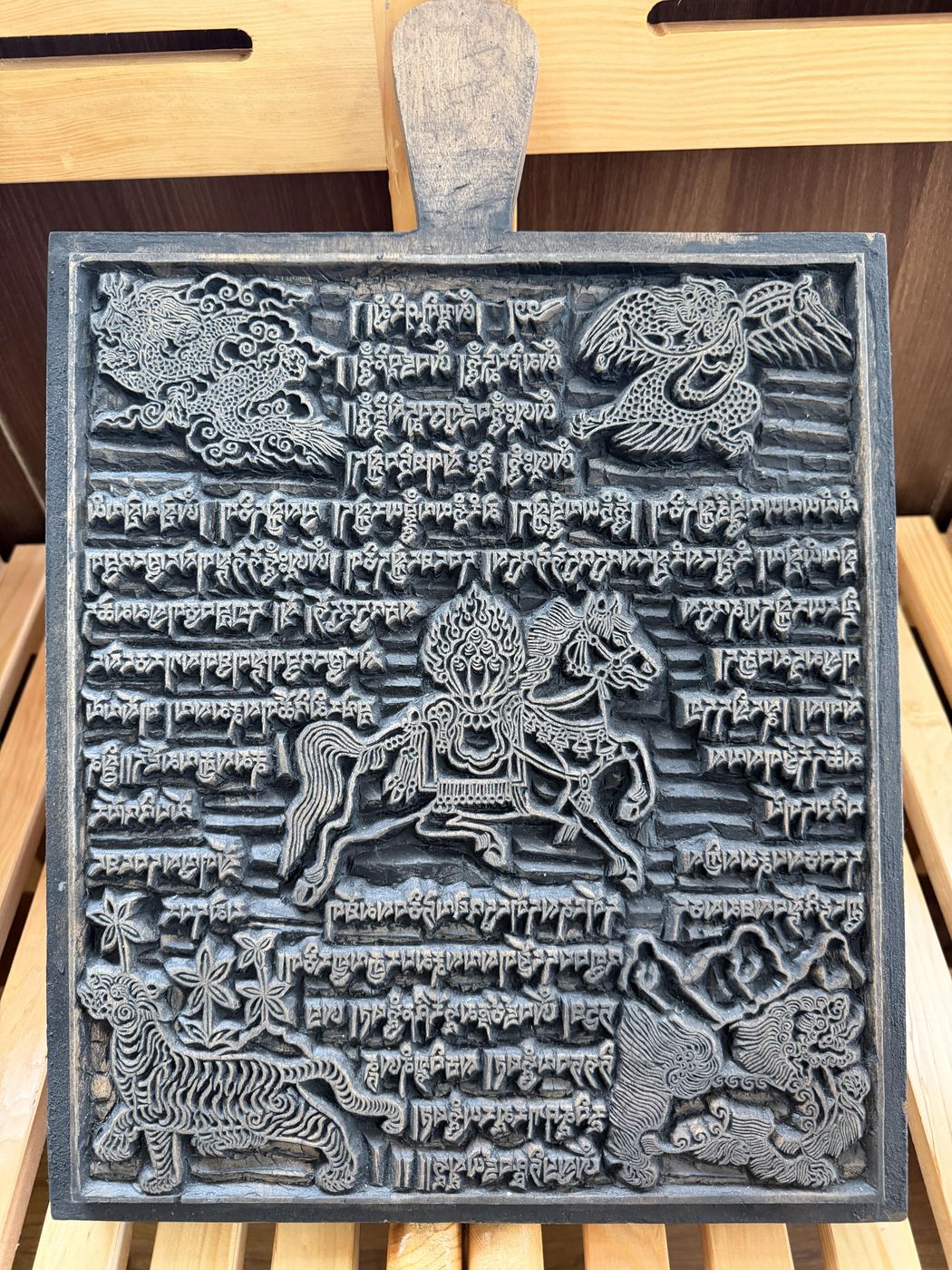
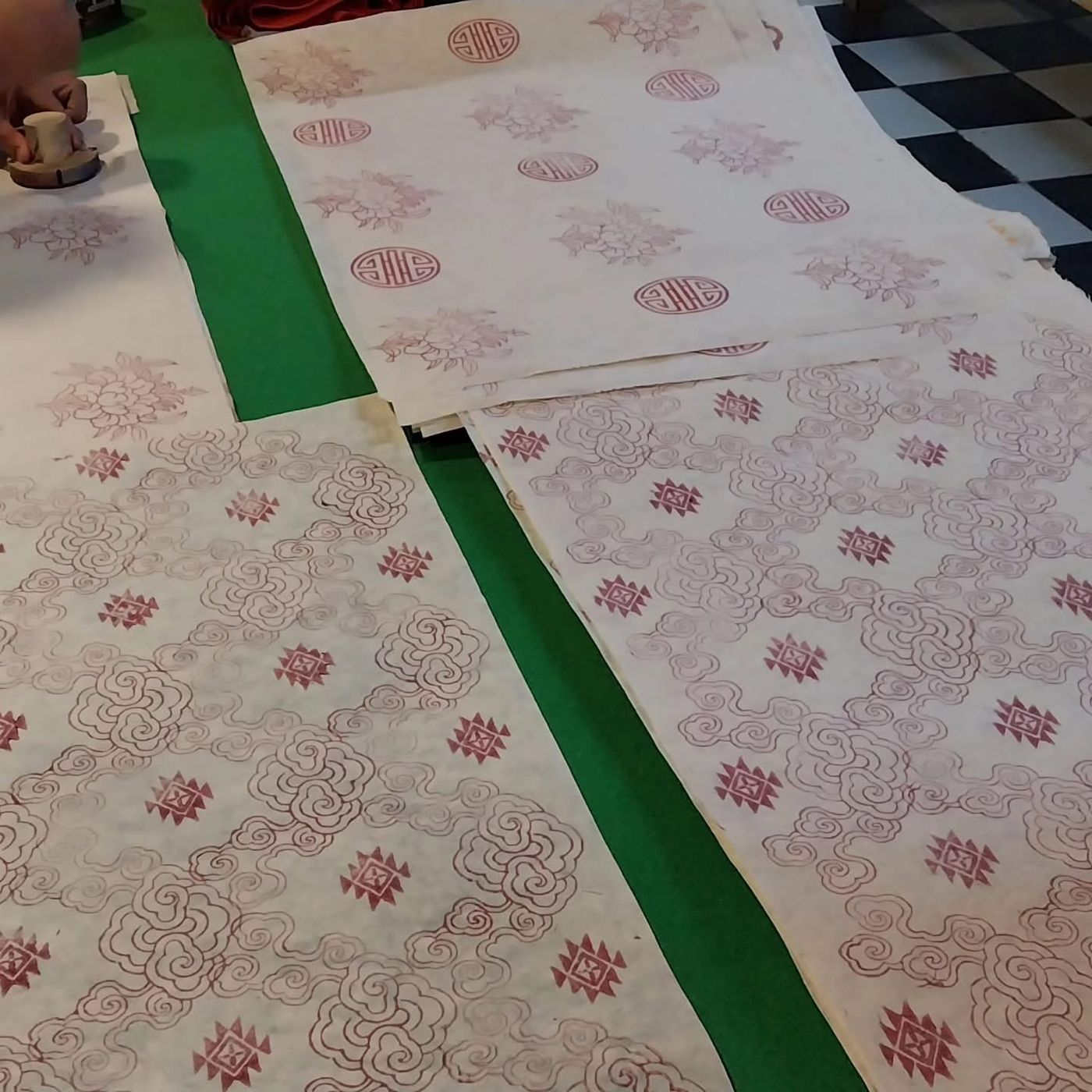
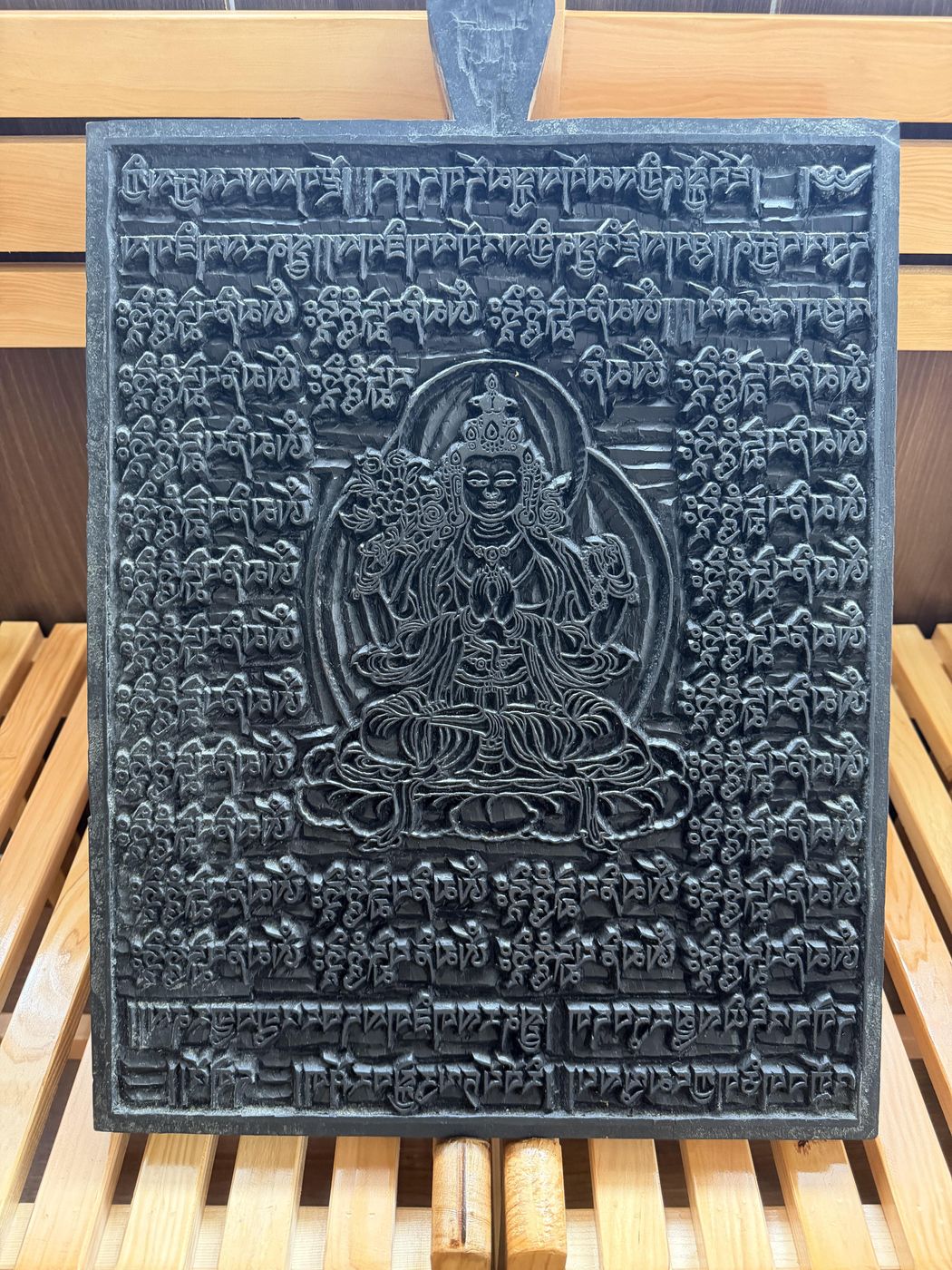
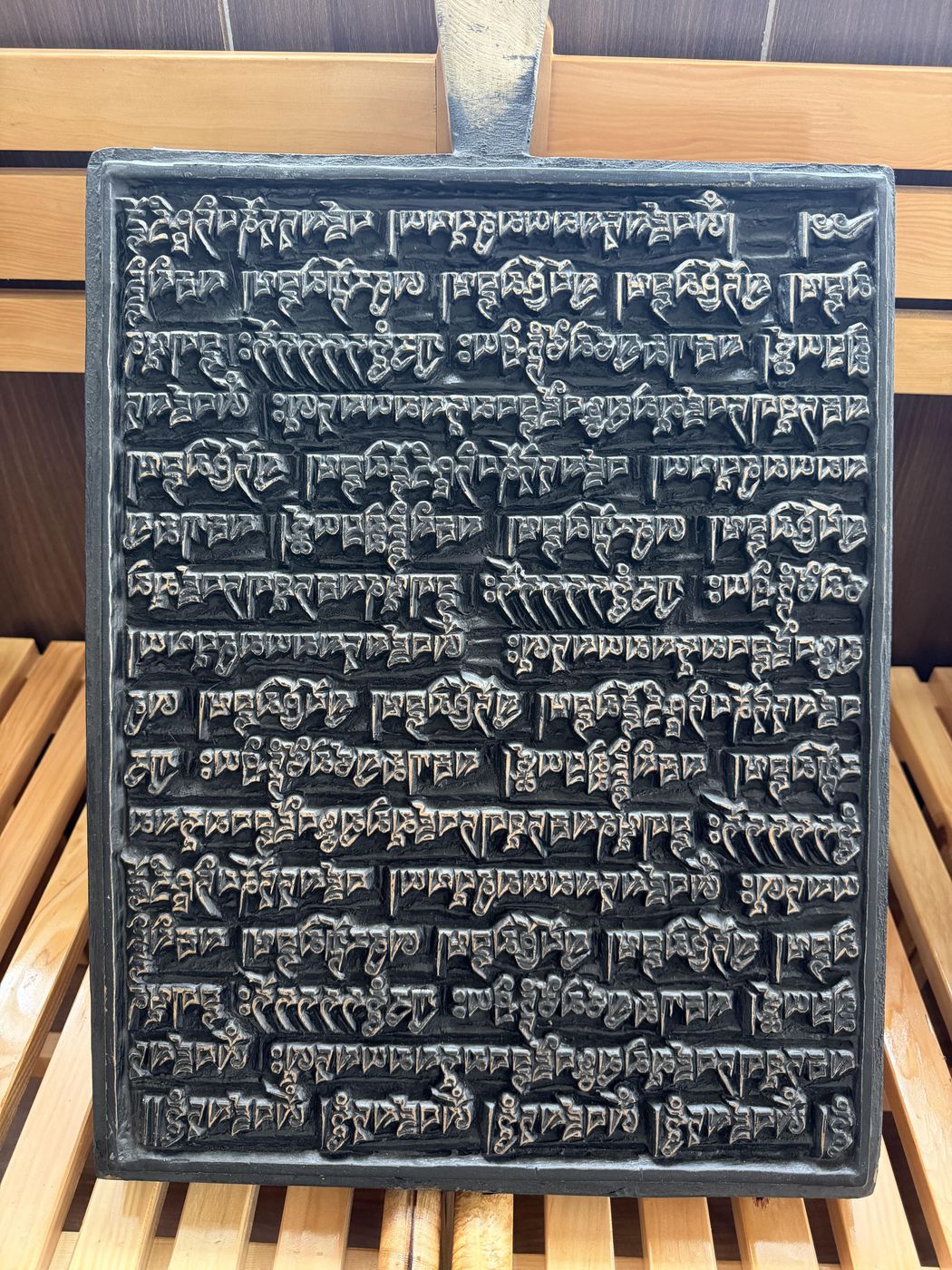
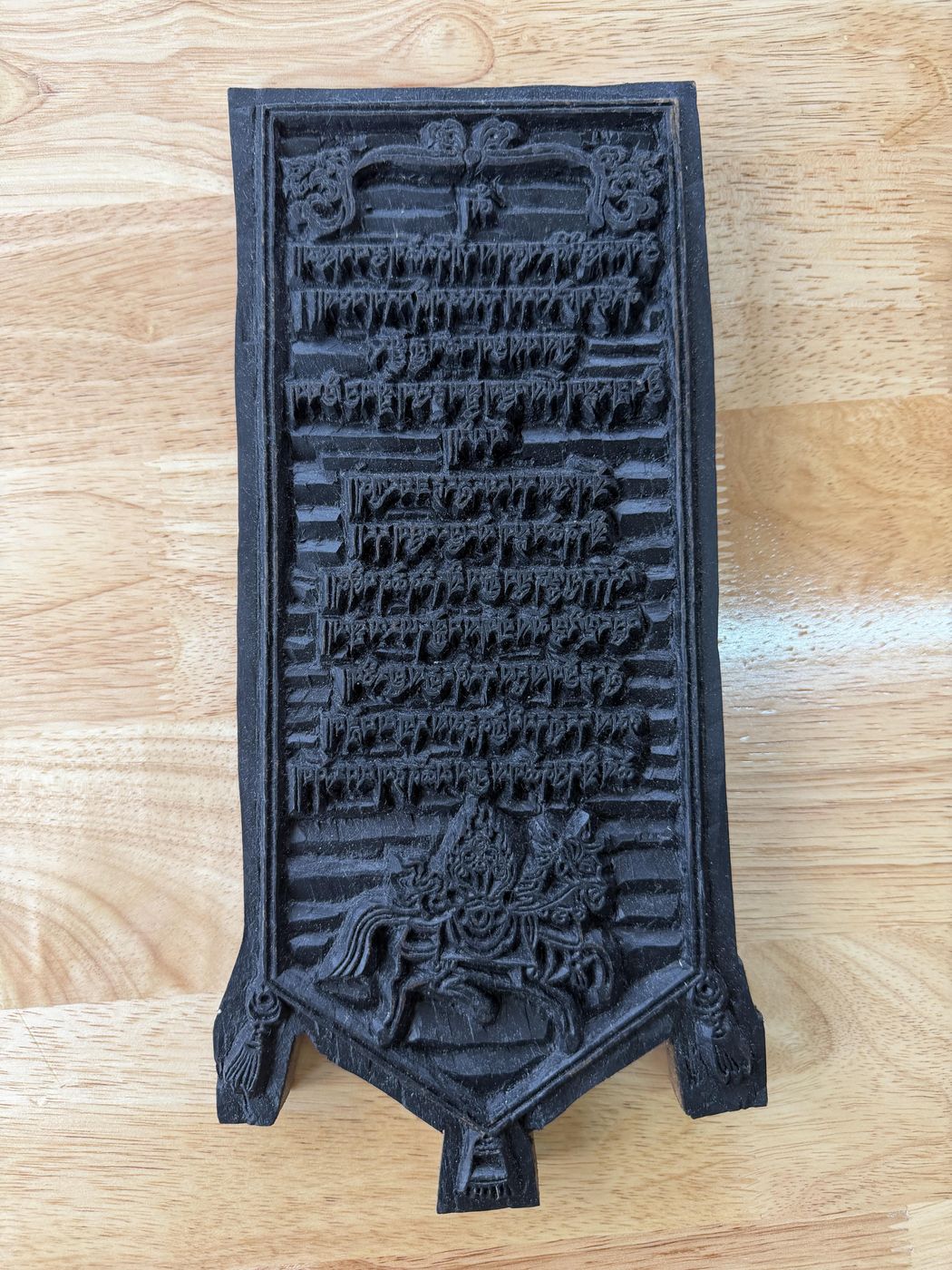
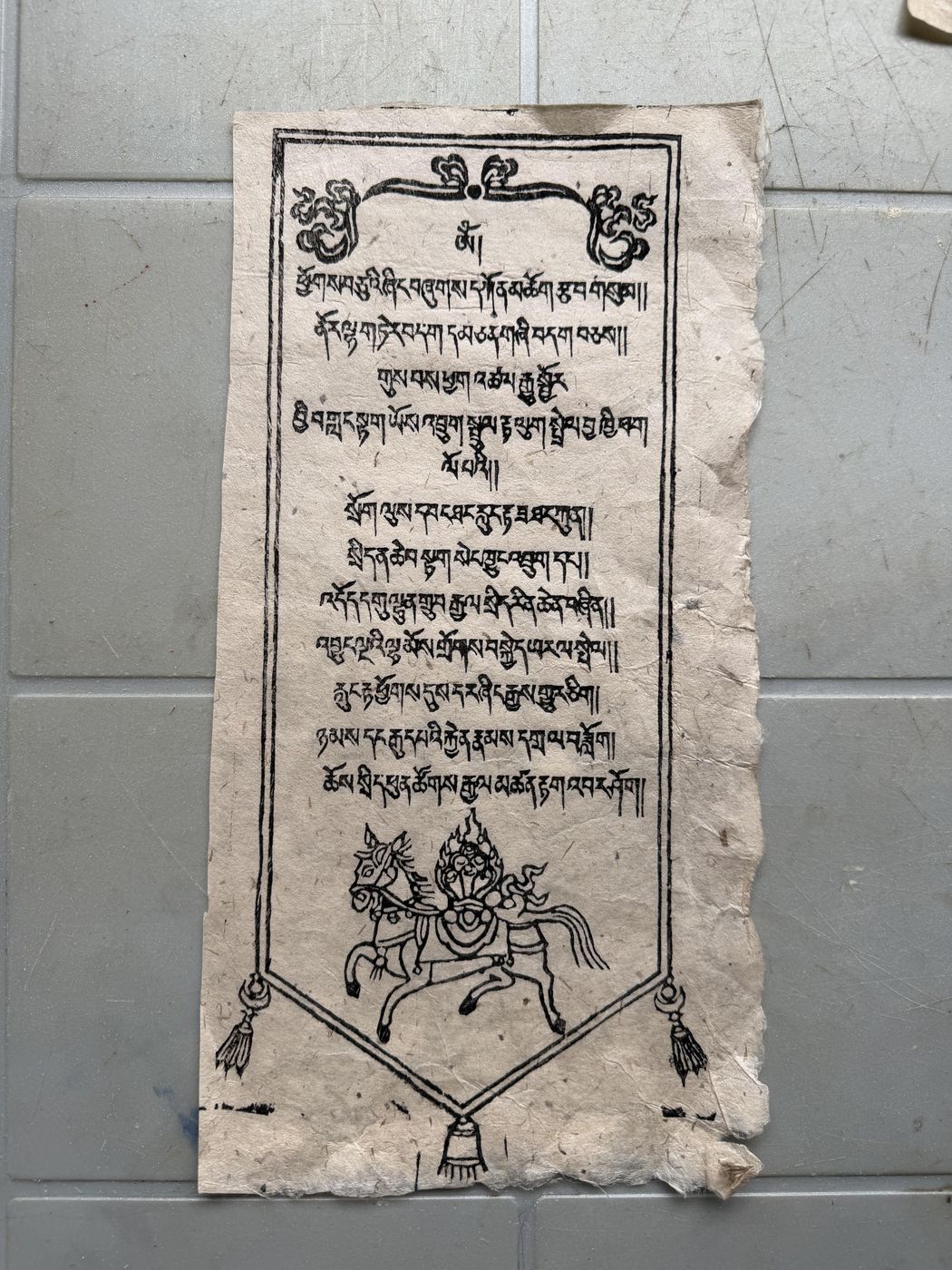
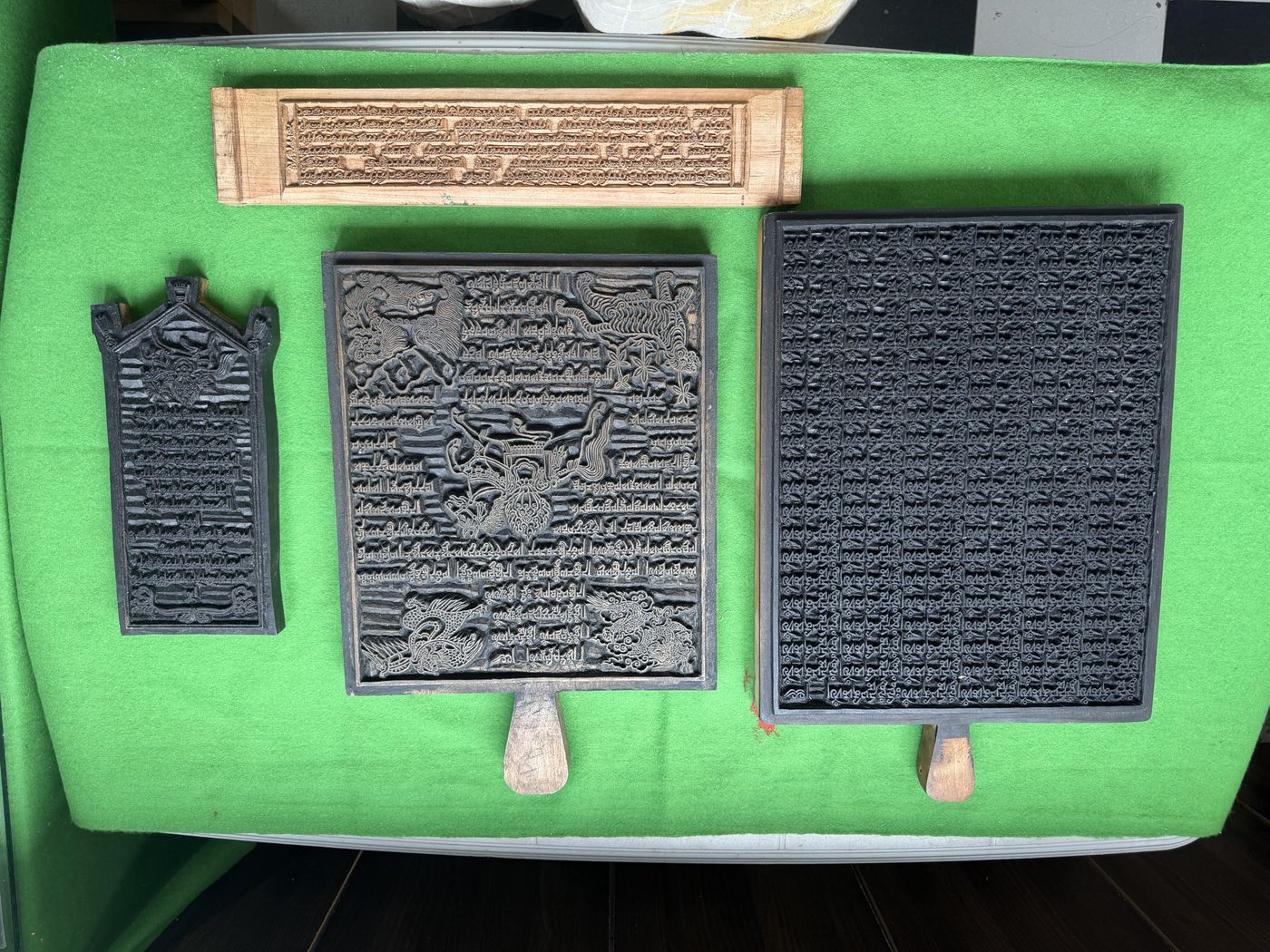
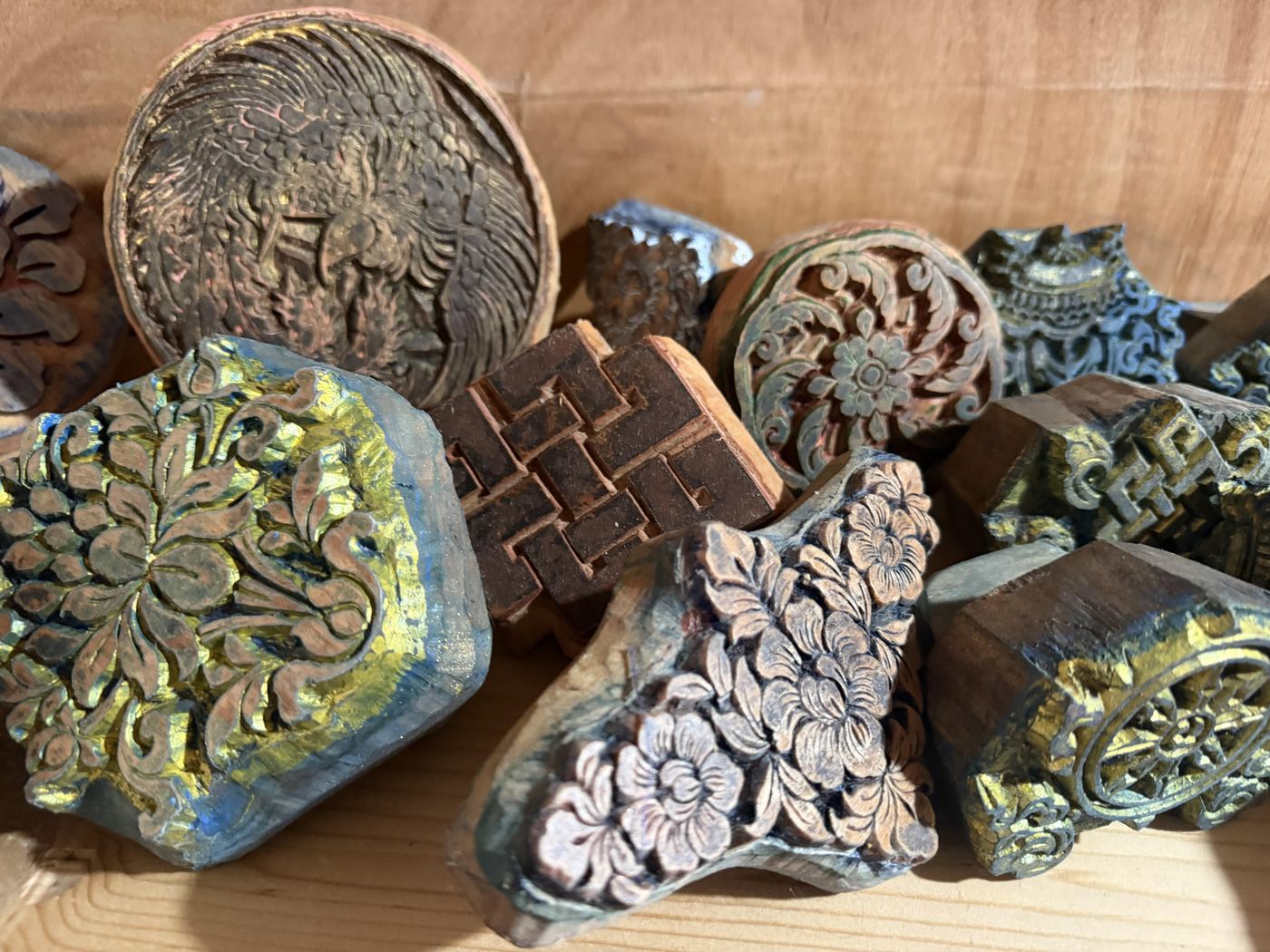
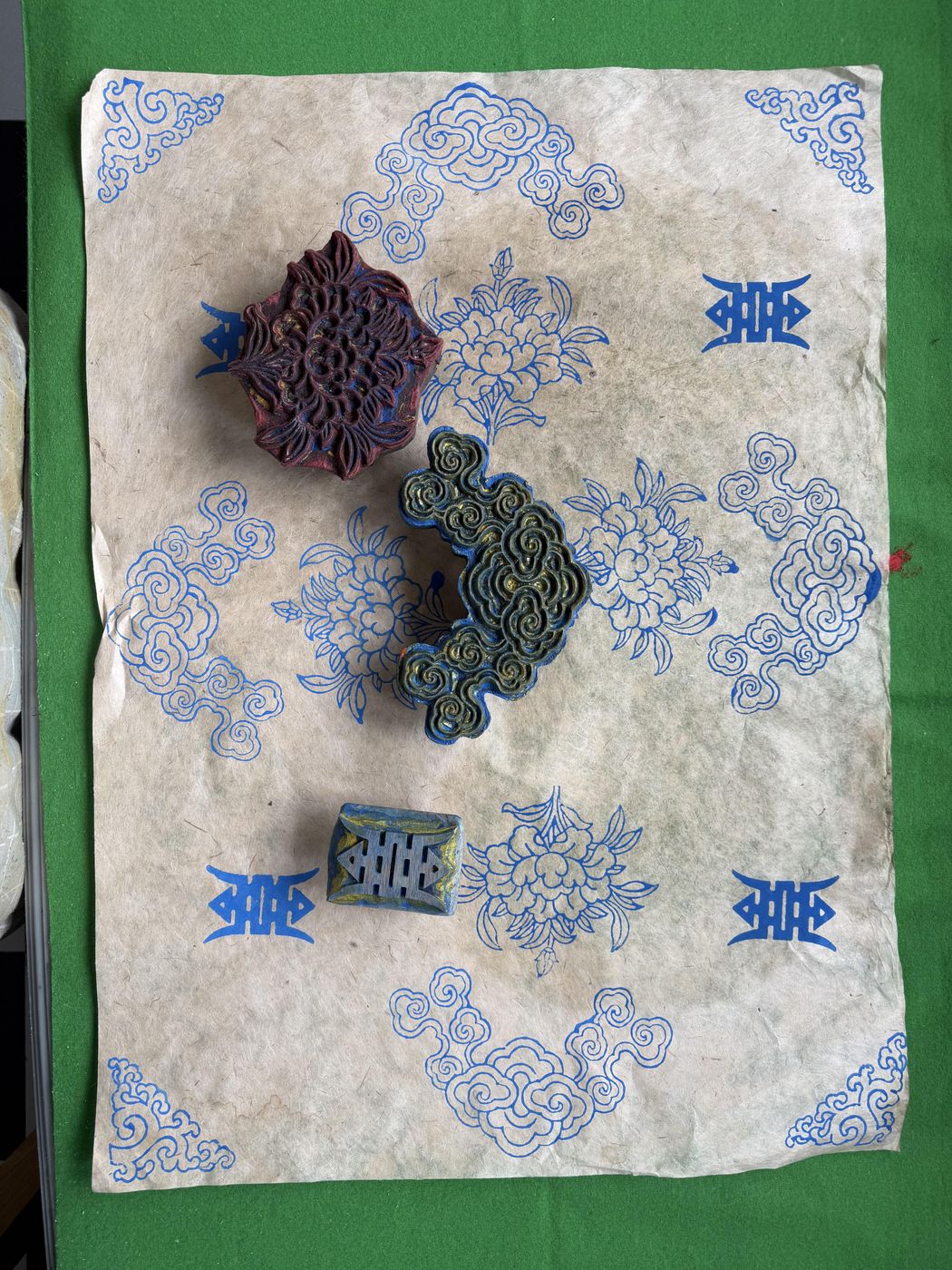
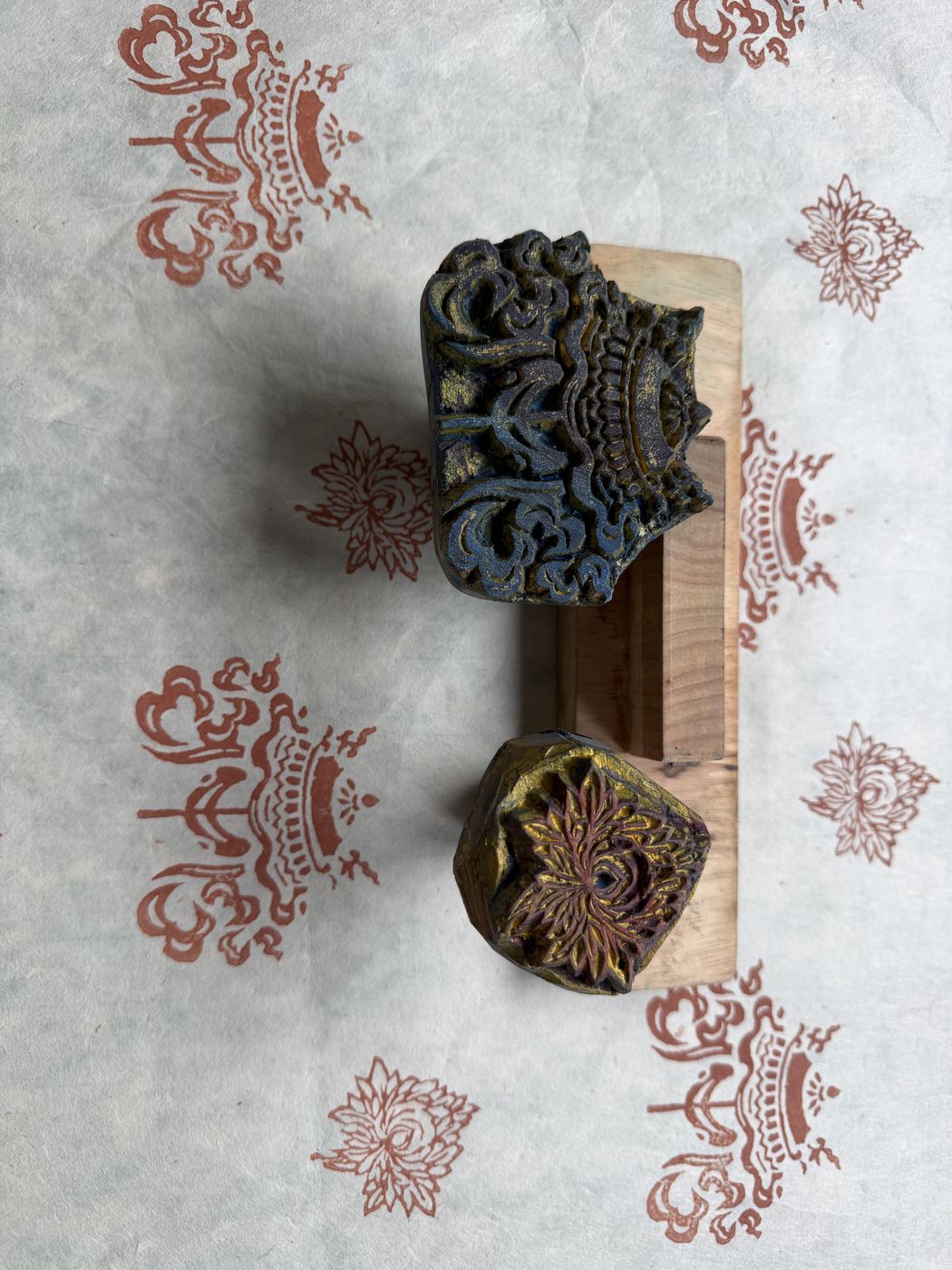
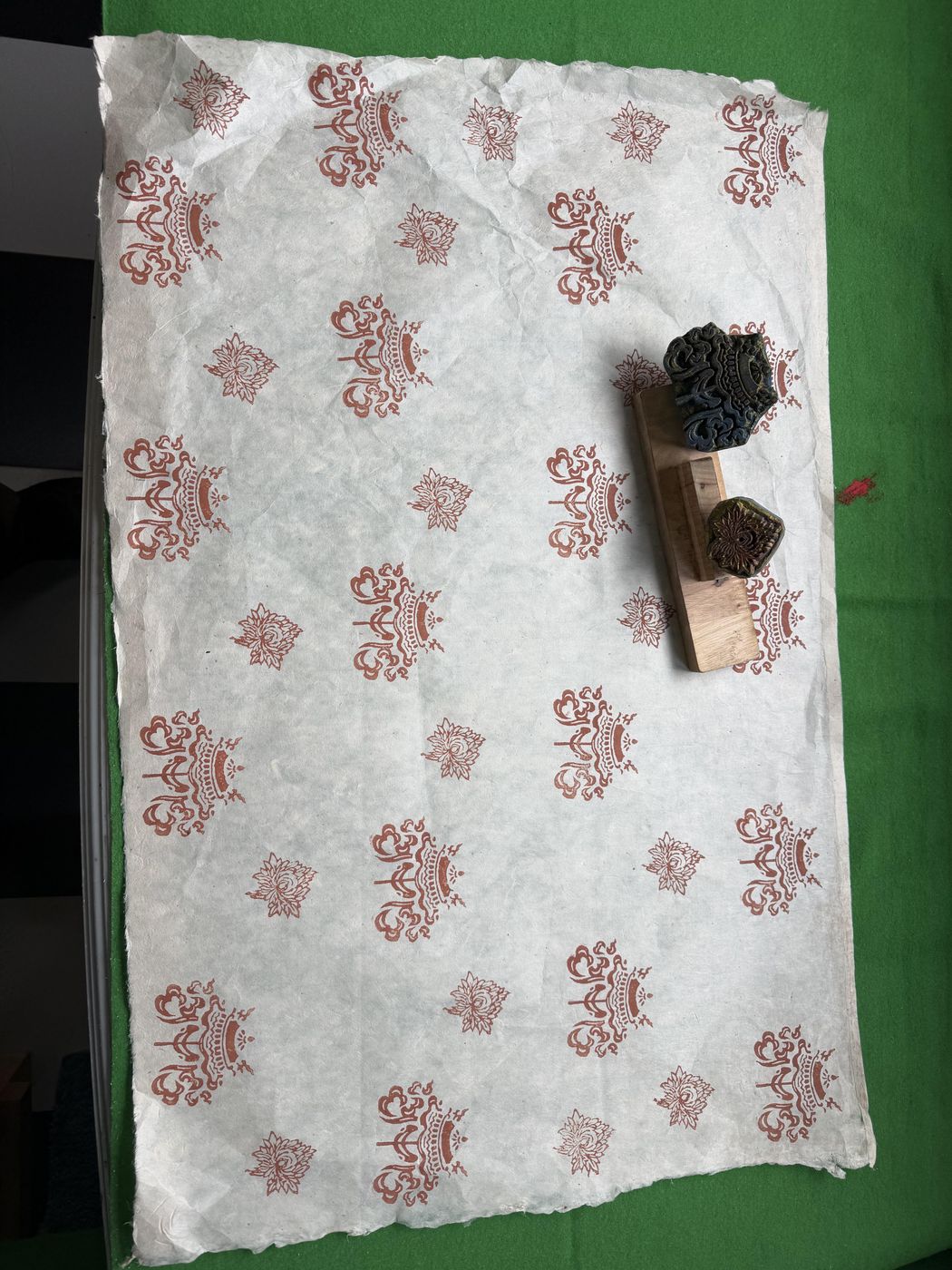
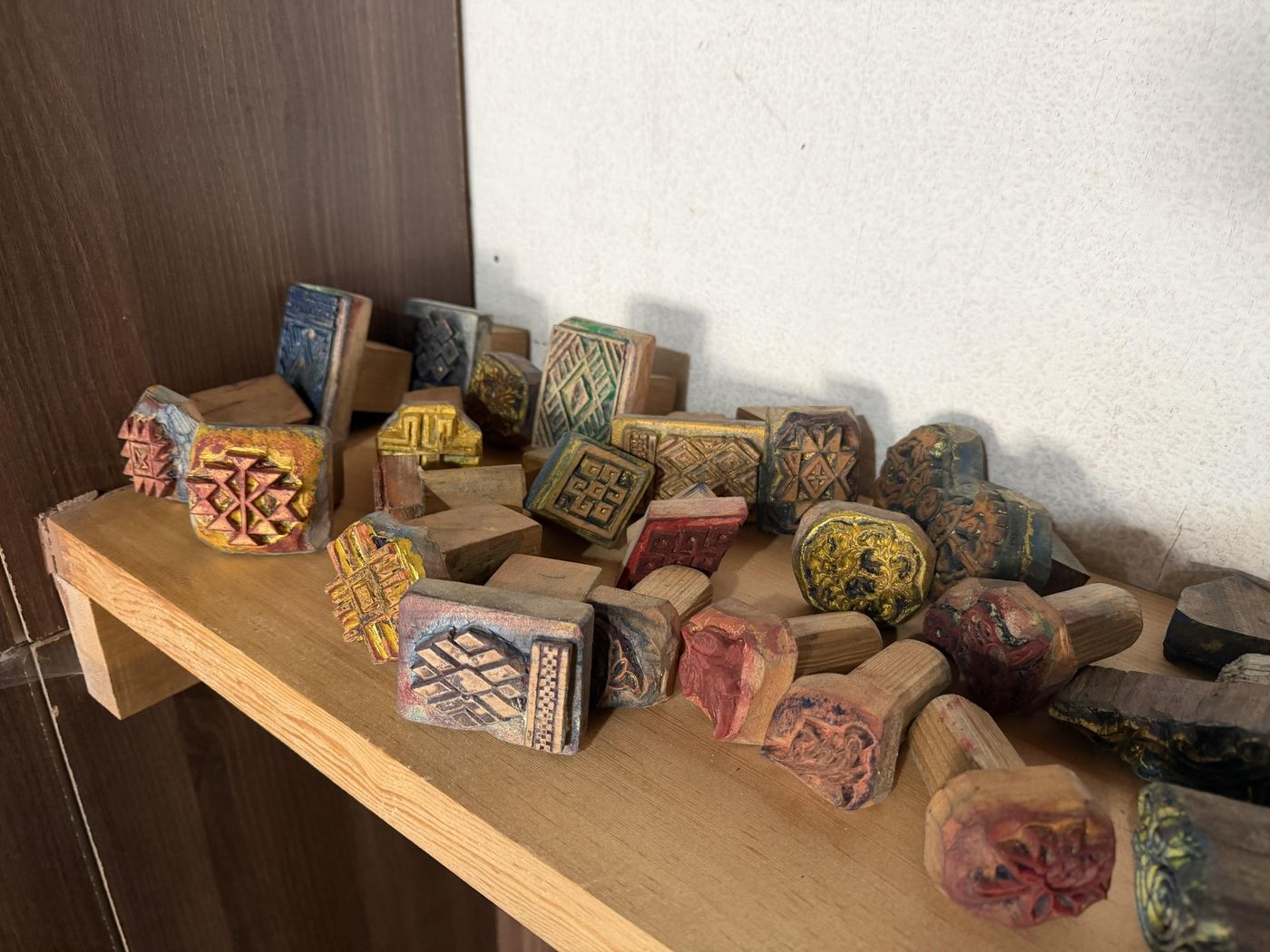
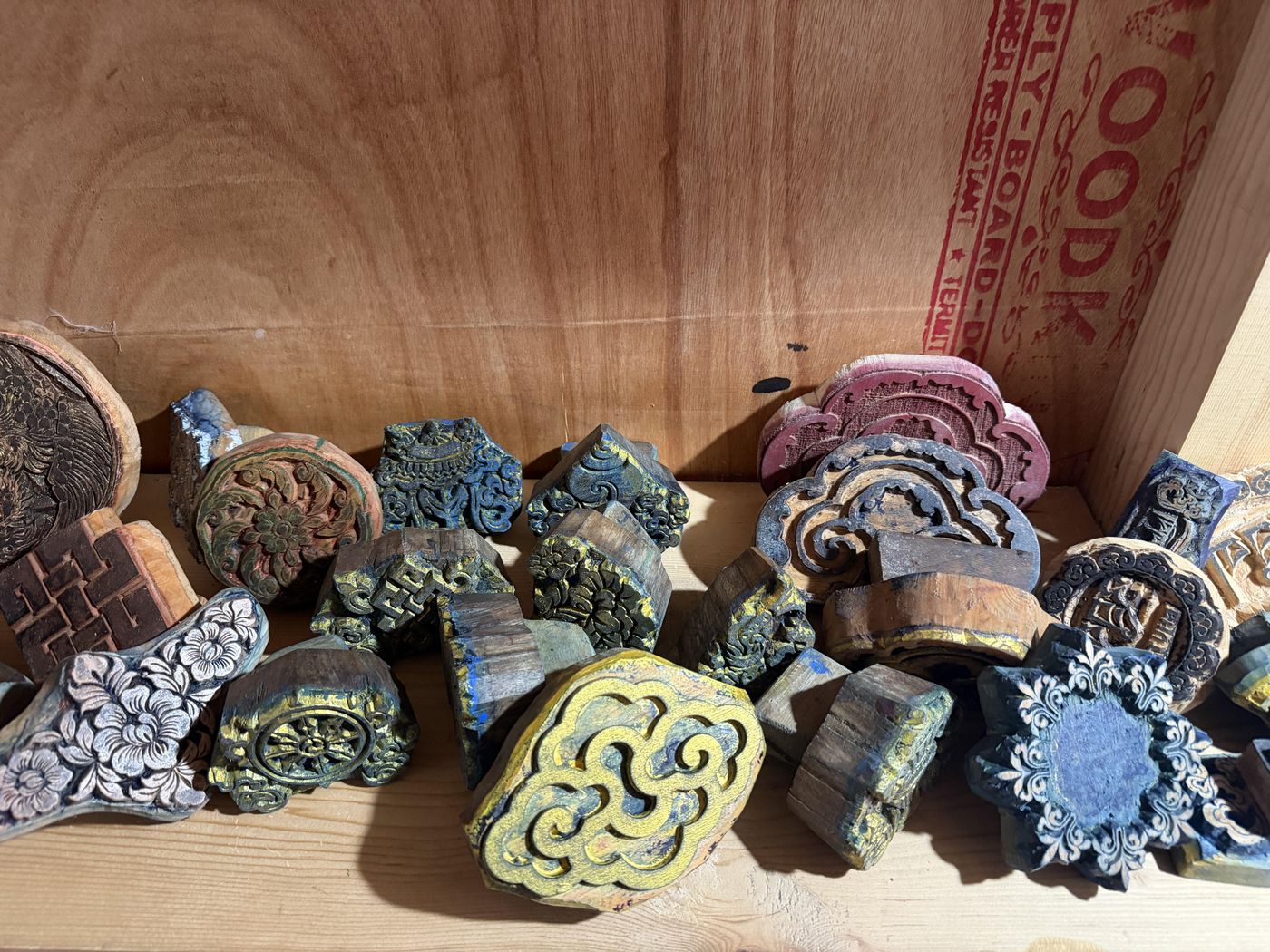
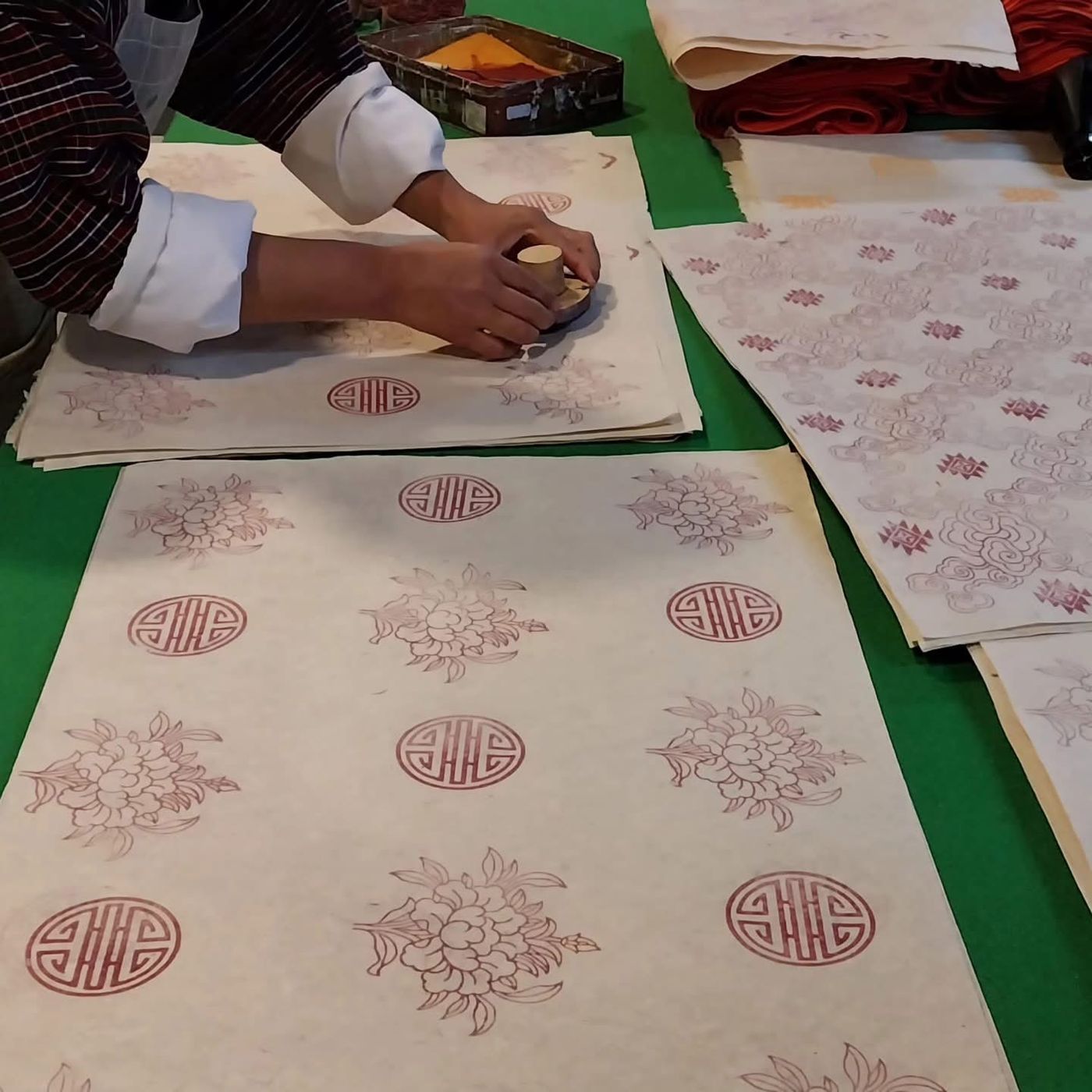
The tradition of woodblock printing in Bhutan — locally known as Sing-par tab-ni or Yig-par koni, the art of xylography — is a deeply sacred craft, inextricably tied to the preservation of Himalayan Buddhism.
For centuries, this intricate art served as the sole method of mass-producing religious scriptures, biographies of great lamas and spiritual iconography across the Kingdom.
The modern challenge
By the 1970s, the introduction of modern offset printing transformed the landscape. Sacred texts began to be commercially printed in India and shipped back to Bhutan, significantly reducing the cost and manual labour required to supply monastic schools.
Today, while commercial printing has largely replaced day-to-day production, this centuries-old legacy survives through a single master xylographer attached to the Department of Culture. Because he is highly skilled across many disciplines, he is often assigned to other forms of national craftsmanship — leaving less time for woodblock carving itself.